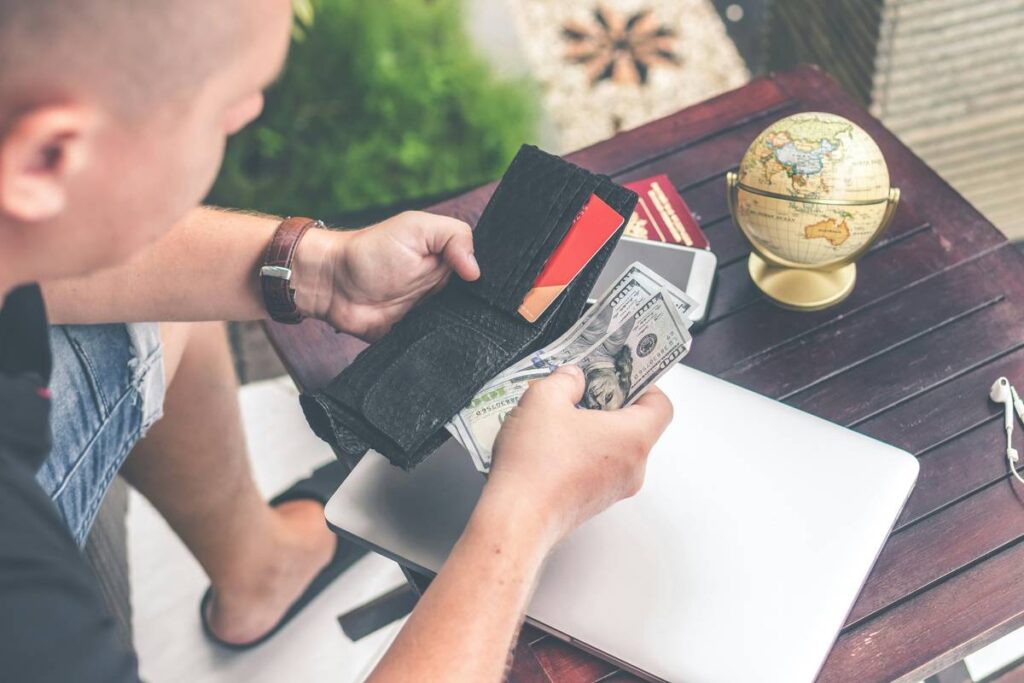
If you’ve ever landed in a foreign country only to discover your cash stash is suddenly worthless—or worse, confiscated—you’re not alone. Navigating Travel Currency Limits is one of the most overlooked yet critical aspects of international travel planning. Beyond just knowing how much money you can carry, understanding the insurance safeguards around currency exchange can save you from financial disaster. In this guide, we’ll demystify regulations, reveal smart strategies, and share hard-earned lessons—so you never get blindsided at customs again.
Table of Contents
- Why Travel Currency Limits Matter
- Step-by-Step Guide to Complying with Currency Rules
- Best Practices for Smart Currency Management
- Real-World Case Studies
- Frequently Asked Questions
Key Takeaways
- Most countries enforce strict Travel Currency Limits on inbound/outbound cash—often $10,000 USD or equivalent.
- Failing to declare amounts above the threshold can result in confiscation, fines, or legal trouble.
- Currency exchange insurance (part of comprehensive travel insurance) covers losses from theft, counterfeit bills, or failed transactions.
- Diversify your cash, cards, and prepaid forex options to stay within limits while protecting your funds.
Why Travel Currency Limits Matter
I learned this the hard way in Johannesburg. I’d withdrawn R50,000 (roughly $3,200 at the time) to cover a two-week safari and lodge stays. Confident I was under South Africa’s declared limit, I breezed through customs—only to be stopped an hour later by airport police. Why? Because I hadn’t realized that while South Africa doesn’t cap how much you *bring in*, it *does* require declaration of amounts over R25,000 when *leaving*. My undeclared cash was seized until I produced receipts and a sworn affidavit. It took three days and a trip to the central bank to get it back.
This isn’t unique. Over 100 countries enforce Travel Currency Limits as part of global anti-money laundering efforts. According to the U.S. Customs and Border Protection, travelers must declare any amount over $10,000 USD (or foreign equivalent) when entering or exiting the United States. Similar rules apply in the EU (European Commission guidelines). Ignorance isn’t an excuse—and penalties are real.
Step-by-Step Guide to Complying with Currency Rules
1. Research Your Destination’s Thresholds
Start with official sources. For the U.S., visit CBP’s page on monetary instruments. For other countries, check embassy websites or government portals like GOV.UK or Canada.ca.
2. Declare Everything Above the Limit
Use customs declaration forms honestly. Many airports now have “green” (nothing to declare) and “red” (goods to declare) channels. Choosing green while carrying undeclared cash over the limit is a legal risk—not a shortcut.
3. Insure Your Cash with Forex Shield Coverage
Standard travel insurance rarely covers cash loss. But niche policies like our Forex Shield add protection for stolen or lost foreign currency, up to policy limits. Always verify coverage details before departure.
Best Practices for Smart Currency Management
- Split your funds: Carry 60% on prepaid travel cards, 30% in local cash, 10% in emergency USD/EUR notes.
- Avoid airport exchanges: Rates are notoriously poor. Withdraw from ATMs using a no-foreign-fee debit card instead.
- Never rely on “I’ll figure it out there”: That mindset caused my Johannesburg fiasco. Plan withdrawals around daily ATM limits and local banking hours.
- Keep digital backups: Photograph your cash bundles and note serial numbers (if possible). This helps insurers verify claims.
Terrible tip alert: “Just stuff extra cash in your checked luggage.” No! Lost baggage = lost money, and airlines won’t reimburse undeclared cash. Keep all currency on your person or in carry-ons.
Real-World Case Studies
In 2023, a British tourist in Dubai was fined AED 50,000 (~$13,600) for failing to declare €20,000 he’d brought to buy property. The UAE enforces a strict AED 60,000 declaration rule (UAE Ministry of Interior). Contrast that with a Canadian traveler who used our Forex Shield coverage after pickpockets stole ¥500,000 in Tokyo. Her insurer reimbursed 80% within 72 hours—because she’d documented her exchange receipt and reported the theft to local police immediately.
These outcomes hinge on one thing: respecting Travel Currency Limits and backing them with smart insurance.
Frequently Asked Questions
What happens if I exceed Travel Currency Limits without declaring?
You risk confiscation, fines, interrogation, or even entry denial. Penalties vary by country but are rarely lenient.
Does travel insurance cover lost foreign cash?
Only if you’ve added currency-specific coverage like Forex Shield. Standard policies exclude cash unless specified.
Are credit cards subject to Travel Currency Limits?
No. Limits apply only to physical cash and monetary instruments (traveler’s checks, bearer bonds). Cards aren’t counted toward thresholds.
How do I prove how much cash I exchanged?
Always keep ATM receipts, bank slips, or exchange office vouchers. Insurers and customs officials often require this documentation.
Can minors carry cash across borders?
Yes—but their allowance counts toward the family’s total. If parents declare $9,000 and a child carries $2,000, the group exceeds the $10,000 U.S. limit.
Where can I learn more about safe travel planning?
Review our About Us page to understand our E-E-A-T credentials, and always read our Privacy Policy before sharing personal details.
Don’t gamble with your travel budget. Understand the rules, protect your cash, and enjoy peace of mind. Ready to customize your Forex Shield plan? Contact us today—we’ll help you stay legal, safe, and stress-free.
Dollars in hand, rules in mind—cross borders with grace, not grief.