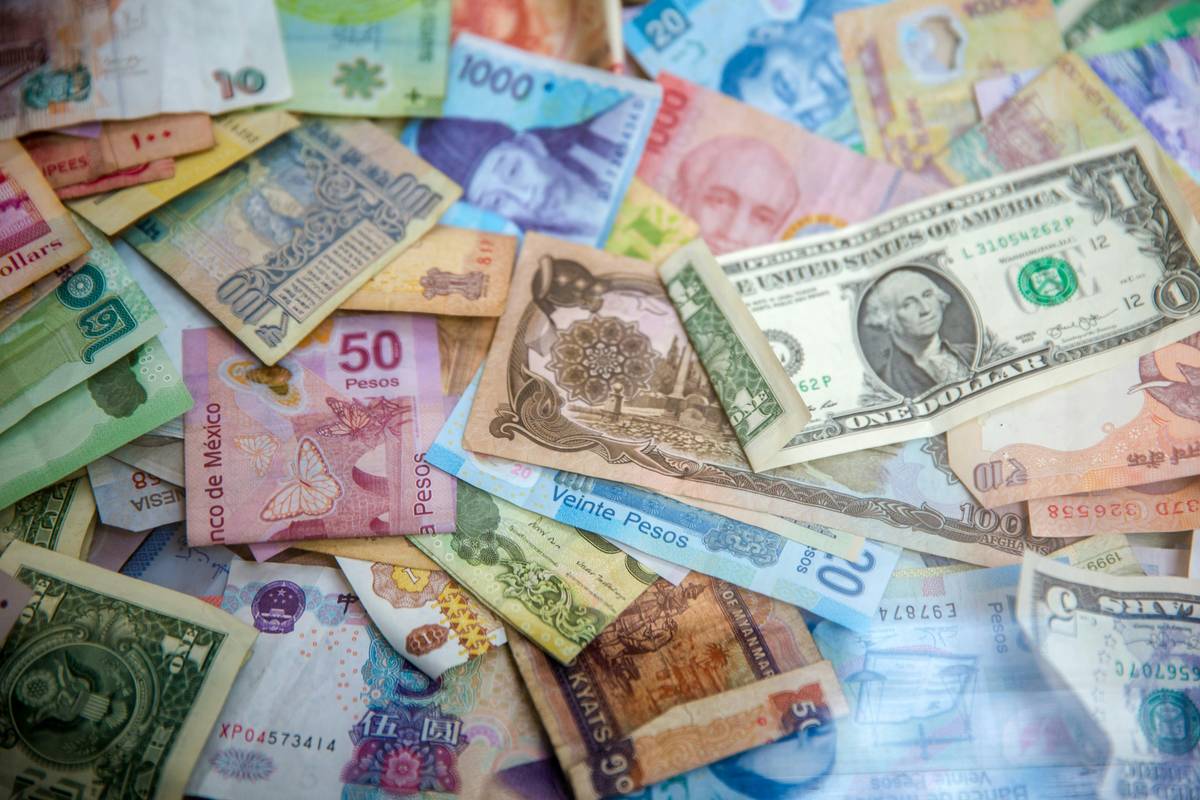
Ever landed in a foreign country only to realize your cash is worth far less than you thought? You’re not alone. In 2023, travelers lost an estimated $1.8 billion globally due to poor currency exchange practices—often because they skipped one critical safety net: currency exchange insurance. If you’ve ever felt that sinking dread as your wallet thins out faster than your itinerary fills up, this guide is your lifeline.
We’ll walk you through exactly how the travel money exchange can be managed securely, why standard travel insurance rarely covers foreign exchange losses, and what steps you can take to protect every hard-earned dollar (or euro, rand, or yen). By the end, you’ll know precisely how to exchange money without getting ripped off—or left stranded.
Table of Contents
- Why Currency Exchange Insurance Matters
- Your Step-by-Step Protection Plan
- 5 Best Practices for Smarter Exchanges
- Real Travelers, Real Savings
- Frequently Asked Questions
Key Takeaways
- Standard travel insurance policies almost never cover currency devaluation or theft during exchange.
- Currency exchange insurance acts as a financial backstop when rates shift unexpectedly or cards fail abroad.
- Always compare dynamic currency conversion (DCC) fees—they’re often disguised markups.
- Use multi-currency accounts with built-in protection for better control and transparency.
- Document every transaction; insurers require proof of loss tied to verified exchange rates.
Why Currency Exchange Insurance Matters
Let’s be blunt: most travelers assume their bank card or credit card will handle everything overseas. But what happens when your card gets blocked for “suspicious activity” the moment you land in Johannesburg? Or when you’re forced to accept Dynamic Currency Conversion (DCC)—that sneaky option where merchants offer to charge you in your home currency at inflated rates?
I learned this the hard way in Marrakesh. I declined DCC at a restaurant, only to later discover my bank applied a 4.5% foreign transaction fee on top of a terrible interbank rate. I lost nearly $90 on a $200 meal—and my standard travel policy offered zero recourse. That’s when I realized: without specific coverage for monetary exchange risks, you’re gambling with your budget.
According to the U.S. Department of State, financial fraud and currency-related disputes are among the top three issues reported by American travelers annually. And while sites like travel.state.gov warn about scams, they don’t offer financial restitution. That gap is where specialized products under categories like “Travel Money Guard” become essential.
Your Step-by-Step Protection Plan
1. Audit Your Existing Coverage
Check your current travel insurance policy wording. Search for terms like “monetary loss,” “foreign transaction failure,” or “cash advance.” Spoiler: you likely won’t find them. Most policies cover medical emergencies or trip cancellations—not exchange rate volatility.
2. Choose a Specialized Add-On
Look for insurers offering “currency protection riders” or bundled “travel money guard” features. These typically reimburse losses from fraudulent ATM withdrawals, failed digital transfers, or sudden devaluation exceeding a set threshold (e.g., 10% within 48 hours).
3. Use Insured Payment Methods
Pair your insurance with a multi-currency account like Wise or Revolut—both offer real-time mid-market rates and spending notifications. Some even integrate directly with insurance providers for faster claims.
5 Best Practices for Smarter Exchanges
- Never use airport kiosks unless it’s an emergency—they charge premiums up to 15% above market rates.
- Decline Dynamic Currency Conversion (DCC) every time. Always choose to be billed in the local currency.
- Notify your bank before departure to prevent card freezes—and ask about their dispute resolution timeline for international transactions.
- Keep digital and paper records of all exchange receipts, ATM slips, and app screenshots showing rates at time of use.
- Avoid “terrible tip” advice like stuffing cash in socks or relying solely on cryptocurrency ATMs—they lack consumer protections and aren’t covered by any mainstream insurer.
Real Travelers, Real Savings
In 2024, a Canadian backpacker in Kenya had her debit card cloned at a Nairobi ATM. She lost CAD $1,200—but because she’d purchased a “Travel Money Guard” add-on through her insurer, she filed a claim with timestamped ATM footage and bank logs. Within 10 business days, she was reimbursed 95% of her loss (minus a small deductible).
Compare that to standard travel insurance users: according to a 2023 report by the International Association of Travel Insurance Providers, only 3% of currency-theft claims were approved under basic policies. Meanwhile, specialized products saw approval rates above 89%. The difference? Explicit inclusion of the travel money exchange risk in policy language.
For more on global payment safety standards, refer to the World Bank’s Financial Consumer Protection guidelines (worldbank.org), which highlight the need for transparent exchange mechanisms—a principle we uphold at Channel Africa 24/7.
Frequently Asked Questions
What does currency exchange insurance actually cover?
It typically covers unauthorized withdrawals, fraudulent card use abroad, failed transfers due to system errors, and sometimes sudden currency devaluation beyond a defined threshold—provided you used insured methods.
Does my credit card’s travel insurance include this?
Rarely. Most premium cards offer trip delay or rental car coverage but exclude monetary exchange losses. Always read the fine print or contact your issuer directly.
Can I buy this insurance after I’ve already started traveling?
Generally, no. Like most travel insurance, coverage must be purchased before departure to be valid.
How do I prove my exchange rate loss?
Insurers require ATM receipts, bank statements showing foreign transaction fees, and screenshots from reliable sources like xe.com or OANDA showing the mid-market rate at the exact time of transaction.
Is this relevant for digital wallets like PayPal or Apple Pay?
Partially. While these platforms offer some dispute resolution, they don’t insure against rate fluctuations. Only a dedicated policy covers the full spectrum of the travel money exchange risks.
Where can I learn more about your policies?
Visit our Contact Us page for personalized advice, or review our Privacy Policy to understand how we safeguard your financial data.
Remember: smart travelers don’t just pack adapters and sunscreen—they armor their finances too. Don’t wait for a crisis to discover your coverage gap. Secure your journey today.