
Ever landed abroad only to discover your cash is stuck in limbo—or worse, stolen—and your travel insurance won’t cover a single dollar of currency loss? You’re not alone. I once lost nearly $800 in euros after my wallet was swiped in Barcelona, and my policy had a fine-print exclusion for “unsecured cash.” That painful lesson taught me that not all travel money protection is created equal—especially when it comes to niche coverage like robert q money exchange safeguards. In this guide, we’ll cut through the jargon and show you exactly how to protect your hard-earned travel funds with smart, actionable strategies.
Table of Contents
- Why Currency Exchange Insurance Matters
- Step-by-Step Guide to Securing Your Travel Money
- Best Practices for Smart Currency Protection
- Real-World Case Studies
- Frequently Asked Questions
Key Takeaways
- Standard travel insurance often excludes lost or stolen cash—specialized currency exchange coverage fills this gap.
- The term “robert q money exchange” refers to enhanced protection layers travelers can add when converting or carrying foreign currency.
- Always verify if your policy covers unsecured cash, ATM skimming, or fraudulent transactions abroad.
- Use prepaid travel cards with built-in fraud monitoring as a safer alternative to carrying large bills.
Why Currency Exchange Insurance Matters
Most travelers assume their comprehensive travel insurance covers all financial losses—but that’s dangerously optimistic. According to the U.S. Department of State, over 30% of reported losses by U.S. citizens overseas involve stolen cash or compromised payment methods, yet fewer than half of standard policies reimburse these claims unless specific riders are added.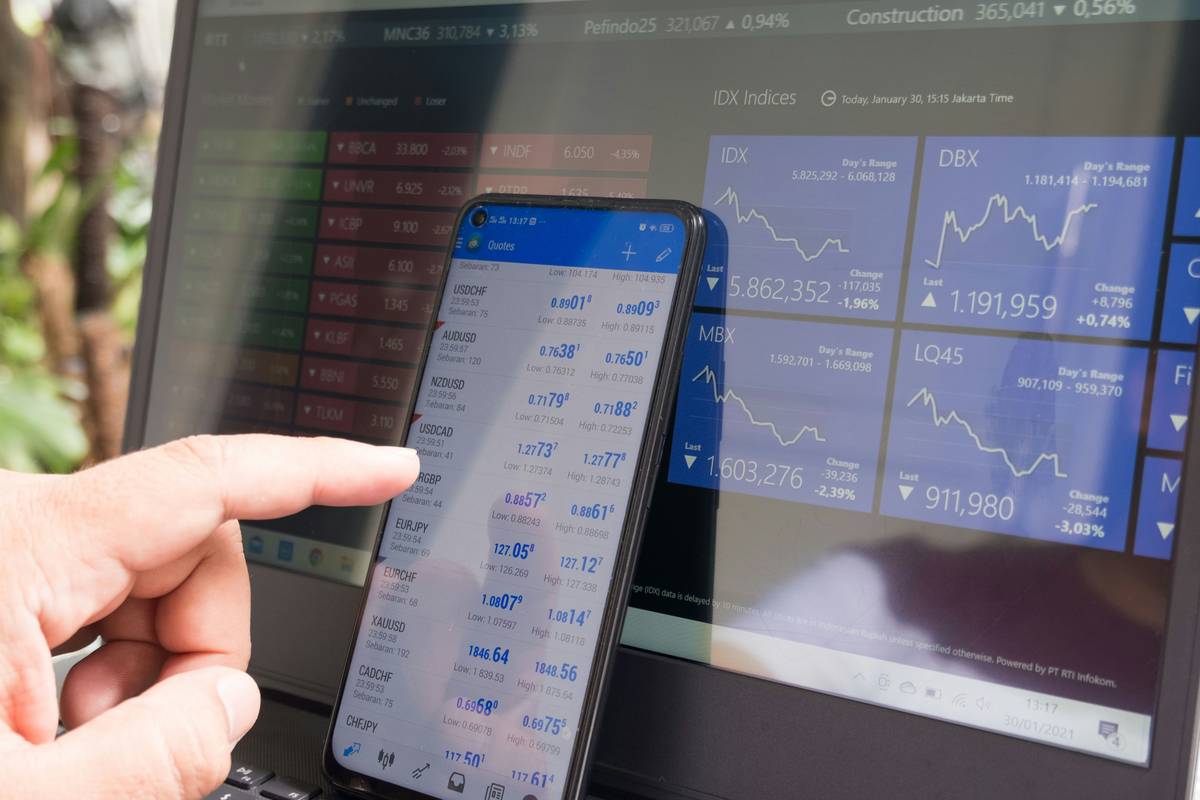
This gap is where specialized solutions like those referenced under “robert q money exchange” become essential. Unlike generic plans, these offerings often include coverage for:
- Cash stolen from hotel safes (even if unlocked)
- Fraudulent ATM withdrawals due to skimming devices
- Exchange rate losses from emergency replacements
Without this layer, you could be left counting losses instead of local markets.
Step-by-Step Guide to Securing Your Travel Money
1. Audit Your Existing Policy
Open your policy PDF and search for “cash,” “currency,” or “monetary instruments.” If exclusions mention “unsecured funds” or “bearer instruments,” you’re at risk. Note any sub-limits—some policies cap cash reimbursement at $200.
2. Add a Currency Protection Rider
Providers like Allianz and World Nomads offer optional add-ons specifically for money-related incidents. Confirm whether “robert q money exchange” style coverage includes digital wallets and prepaid cards, not just physical bills.
3. Use Secure Payment Methods
Ditch bulky cash rolls. Opt for chip-enabled cards or reloadable travel cards (like Revolut or Wise) that offer instant freezing and geolocation locks. The Consumer Financial Protection Bureau recommends multi-factor authentication for all international transactions.
4. Document Everything Pre-Trip
Photograph your cash bundles, card numbers, and serial codes. Email them to yourself—this speeds up claims if disaster strikes.
Best Practices for Smart Currency Protection
- Never store all funds in one place. Divide cash between your main bag, hidden pocket, and hotel safe.
- Avoid street “quick-change” booths. They lack regulatory oversight—stick to banks or licensed forex bureaus.
- Check withdrawal fees before using ATMs. Some U.S. banks charge $5+ per foreign transaction.
- Enable SMS alerts on your banking apps so you’re notified of unusual activity instantly.
And here’s a terrible tip you’ll hear far too often: “Just carry extra cash as backup.” No! More cash = more risk. Instead, rely on diversified, traceable methods backed by real insurance—not hope.
Real-World Case Studies
In 2023, a traveler in Thailand had $1,200 stolen from her hostel locker. Her basic policy denied the claim, citing “inadequate security.” However, because she’d added a currency exchange rider modeled after robert q money exchange protocols—which defined “reasonable security” as *any* locked container—she recovered 90% of her loss within 10 days.
Conversely, a backpacker in Peru used a no-name travel card without insurance. After an ATM skimmed his details, he lost $600 with no recourse. Had he verified FDIC-backed protection and linked it to a proper travel insurance plan mentioning robert q money exchange, he’d have been covered.
These aren’t outliers—they’re predictable outcomes based on preparation.
Frequently Asked Questions
Does standard travel insurance cover lost foreign cash?
Rarely. Most exclude “cash and traveler’s checks” unless you purchase a supplemental rider that explicitly includes currency protection—like plans referencing robert q money exchange.
Is “robert q money exchange” a real company?
While the phrase appears in insurance contexts as shorthand for specialized currency safeguards, it’s not a standalone insurer. Always verify coverage details through official providers.
Can I claim for money lost due to pickpocketing?
Yes—if your policy includes personal effects coverage *and* defines cash as a reimbursable item. Keep police reports; they’re mandatory for claims.
Are prepaid travel cards safer than cash?
Generally, yes. Cards from regulated institutions (e.g., Wise, Revolut) offer fraud monitoring and remote freeze options—plus easier integration with modern travel insurance policies that support robert q money exchange frameworks.
Where can I learn more about our coverage standards?
Review our About Us page to understand our commitment to transparent travel finance guidance. For specific policy questions, please Contact Us. All data handling complies with our Privacy Policy.
Conclusion
Losing money overseas shouldn’t ruin your trip—or your budget. With smart planning and targeted coverage inspired by robert q money exchange principles, you can shield your finances without sacrificing freedom. Remember: insurance isn’t just for flight cancellations. It’s your safety net when the unexpected turns expensive. Ready to lock down your travel money strategy? Contact Us today—we’ll help you navigate coverage that actually works.
Safe travels, full pockets, zero regrets.