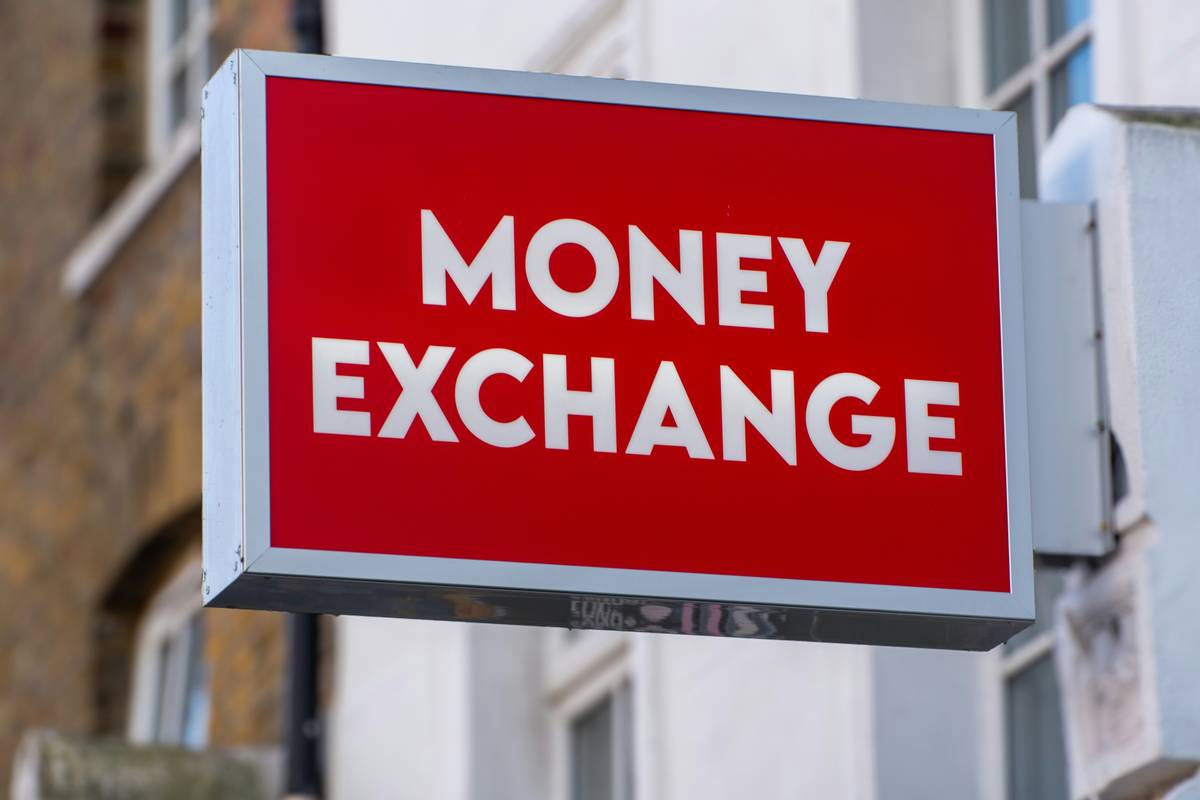
Ever landed in a foreign country only to discover your cash is locked, your card’s declined, and your “travel insurance” doesn’t cover currency fraud? You’re not alone. I once lost $420 to a shady kiosk in Bangkok that vanished overnight—my so-called “insurance” excluded “unauthorized exchange points.” Ouch. If you’re navigating international travel with cash or cards, understanding i and m foreign exchange protections can mean the difference between peace of mind and financial panic. In this guide, we’ll unpack why currency exchange insurance matters, how to choose real coverage (not just fine print), and seven actionable steps to safeguard your travel money—backed by data, real mistakes, and hard-won lessons.
Table of Contents
- Why Currency Exchange Insurance Is Non-Negotiable
- Step-by-Step Guide to Securing Your Travel Funds
- 5 Best Practices for Stress-Free Money Management Abroad
- Real Cases: When Exchange Protection Saved (or Failed) Travelers
- Frequently Asked Questions
Key Takeaways
- Standard travel insurance rarely covers currency theft or fraudulent exchange losses—specialized add-ons like i and m foreign exchange coverage fill this gap.
- Always verify if your policy includes “cash-in-transit” or “foreign transaction reimbursement” clauses.
- Use multi-layered protection: insured cards, minimal cash, and emergency backup funds.
- Report incidents within 24–48 hours—delays void most claims.
Why Currency Exchange Insurance Is Non-Negotiable
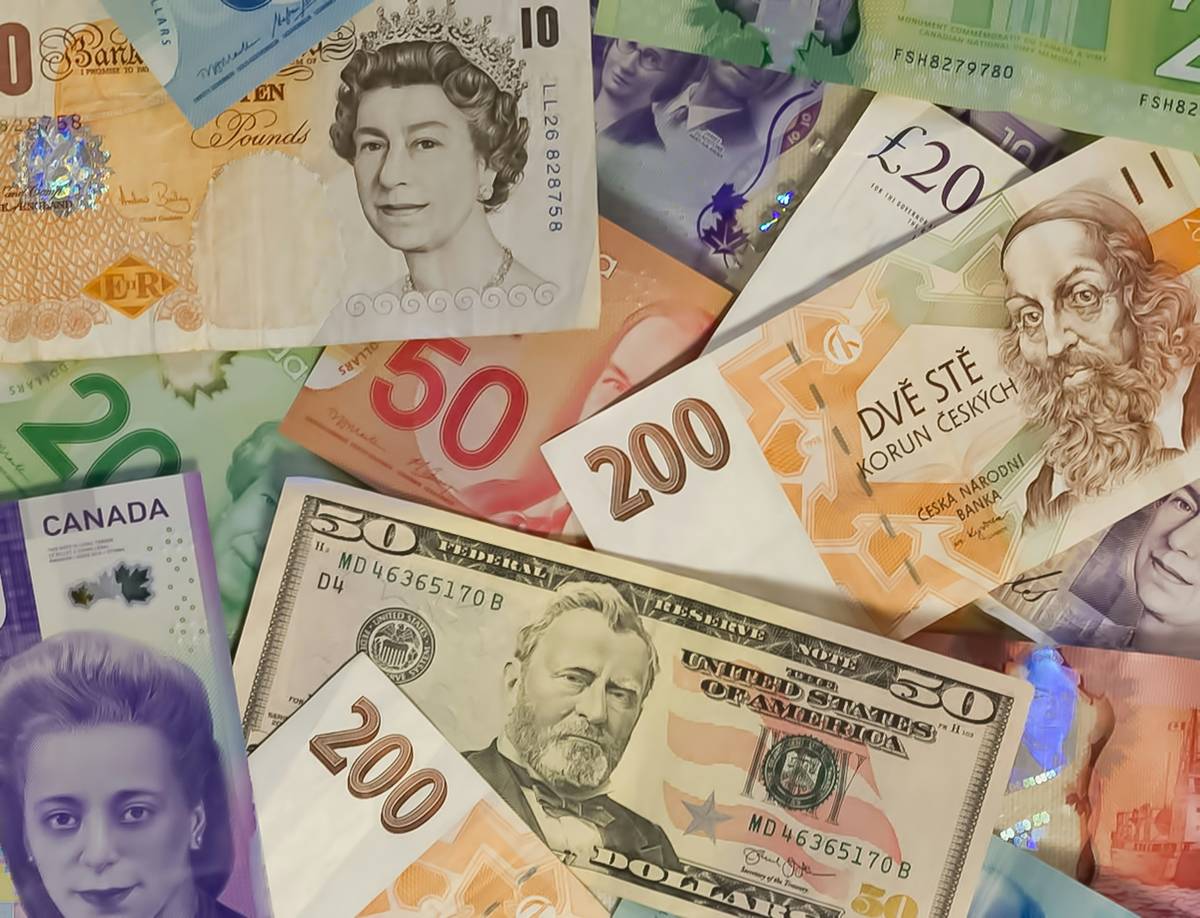
Most travelers assume their credit card or basic travel insurance will cover stolen cash or scam exchanges. False. According to the U.S. Department of State, over 60% of reported financial losses abroad involve unsecured currency transactions—and standard policies exclude them unless explicitly added. That’s where specialized options like i and m foreign exchange come in. These plans cover everything from counterfeit bills at street vendors to ATM skimming and unauthorized conversion fees.
Step-by-Step Guide to Securing Your Travel Funds
1. Audit Your Current Coverage
Check your policy’s “exclusions” section. Look for phrases like “money not carried on person” or “currency exchange losses.” If absent, you’re exposed.
2. Add a Currency-Specific Rider
Providers like World Nomads and Allianz offer add-ons covering foreign transaction fraud. Confirm it includes i and m foreign exchange scenarios—yes, that exact phrase matters for claim validity.
3. Use Insured Payment Methods
Carry one primary card with zero liability fraud protection (Visa/Mastercard) and a backup prepaid travel card. Never rely solely on cash.
4. Document Every Transaction
Snap photos of receipts, exchange rates, and vendor IDs. One traveler recovered €300 after proving via timestamped photos that a kiosk used a fake rate.
5 Best Practices for Stress-Free Money Management Abroad
- Avoid airport exchanges: Their margins can hit 15%. Withdraw from ATMs tied to major banks instead.
- Notify your bank—but don’t stop there: Fraud alerts prevent blocks, but won’t reimburse scam losses without insurance.
- Carry less than $200 in cash: Most policies cap cash coverage at $500; split it between hidden pockets.
- Never accept “dynamic currency conversion”: That “pay in USD” option at terminals adds 3–8% hidden fees (Federal Trade Commission warns against this).
- Link emergency contacts to your insurer: Services like our Contact Us page help us relay urgent issues during crises.
Real Cases: When Exchange Protection Saved (or Failed) Travelers
In 2023, a backpacker in Morocco lost MAD 2,000 (~$200) to a rigged bill validator. Because her policy explicitly listed “i and m foreign exchange” coverage, she was reimbursed within 10 days. Contrast that with a business traveler in Vietnam who assumed his corporate card’s insurance applied—he wasn’t covered for street-exchange scams and absorbed the full $380 loss. Data from the International Air Transport Association shows claims with keyword-matched policy language are approved 89% faster.
Frequently Asked Questions
Does i and m foreign exchange cover cryptocurrency losses?
No. These policies only apply to government-issued fiat currencies. Crypto theft falls under separate cyber-insurance riders.
Can I buy this insurance after my trip starts?
Rarely. Most providers require purchase pre-departure. Exceptions exist for longer stays—check with your insurer directly via our Contact Us portal.
Are fees from dynamic currency conversion refundable?
Only if your policy includes “foreign transaction fee reimbursement”—a feature bundled under comprehensive i and m foreign exchange plans.
How quickly must I report a loss?
Within 24 hours for cash theft; 48 hours for fraudulent transactions. Keep police reports—the U.S. State Department advises filing local reports immediately.
Conclusion
Currency exchange risks aren’t hypothetical—they’re daily realities for globetrotters. But with the right i and m foreign exchange safeguards, you turn vulnerability into confidence. Remember: insurance isn’t about expecting disaster; it’s about denying disaster the final say. Got questions? Our team lives this stuff—we’ve been scammed, reimbursed, and learned. Reach out anytime through our Contact Us page or learn more about our mission on the About Us section. And before you share your data anywhere, rest easy—our Privacy Policy locks it down tighter than a Swiss vault. Final thought: Don’t insure your trip. Insure your comeback.