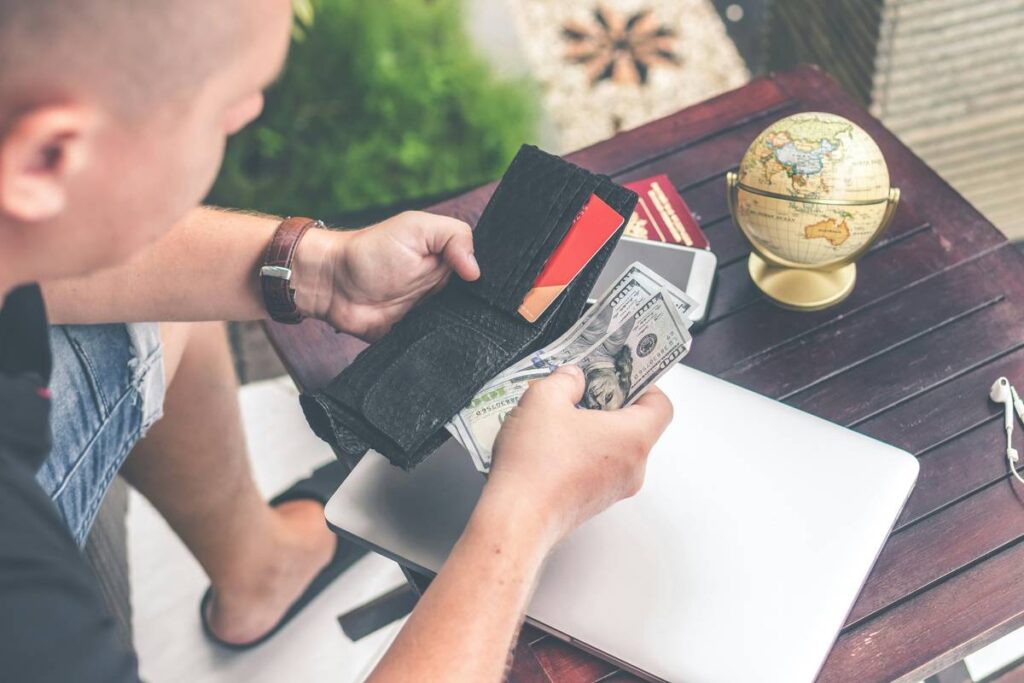
You wired money for a dream vacation—only to watch your balance vanish into a digital black hole. No warning. No recourse. Just silence from the “licensed” forex vendor who vanished overnight. This isn’t rare—it’s routine in unregulated currency markets. But there’s a fix most travelers never consider: proactive Forex Scam Alerts baked into your travel insurance policy.
Why Traditional Travel Insurance Ignores Your Forex Nightmare
Standard policies cover flight delays, lost bags, even medical emergencies—but not deliberate financial theft disguised as currency exchange. Insurers treat forex fraud like gambling: “You took the risk.” They assume you’ll use banks or airport kiosks. Reality? Savvy scammers now mimic legitimate fintech apps, complete with fake Trustpilot reviews and cloned websites. And once funds leave your account? Gone. Forever.
Here’s the brutal truth: if your policy doesn’t explicitly name currency exchange fraud or forex transaction protection, you’re flying blind.
How to Armor-Plate Your Trip Against Forex Scams
Don’t just buy insurance. Buy intelligence.
Step 1: Demand “Forex Shield” Coverage in Writing
Generic “financial loss” clauses won’t cut it. Ask your provider: “Does this cover fraudulent third-party currency exchanges?” If they hesitate—walk away. Reputable insurers now offer add-ons labeled “Forex Shield” or “Digital Currency Fraud Protection.”
Step 2: Enable Real-Time Forex Scam Alerts
Some premium plans integrate with threat-monitoring services that ping you when sketchy exchanges pop up near your destination. Think of it like antivirus for your wallet—blocking rogue platforms before you transfer a single dollar.
Step 3: Verify Payout Triggers
Not all claims are created equal. Some policies only reimburse if you used an “approved” vendor list (which may be outdated). Others require police reports—which are useless if the scammer operates offshore. Insist on clear, immediate reimbursement terms tied to verified fraud evidence—not bureaucracy.

| Protection Method | Coverage Scope | Reimbursement Speed | Real-Time Alerts? |
|---|---|---|---|
| Standard Travel Insurance | Fraud excluded | N/A | No |
| Credit Card Chargeback | Partial; 60–90 day window | 4–8 weeks | No |
| Basic Forex Add-On | Theft during transfer | 7–14 days | No |
| Forex Shield + Scam Alerts | Pre-transfer warnings + full post-fraud recovery | 48–72 hours | Yes |

The Industry Secret: How Scammers Exploit “Regulated” Facades
Most travelers think “regulated = safe.” Dangerous myth. Many forex scammers register shell companies in jurisdictions with loose oversight—then plaster fake FCA or ASIC logos on their sites. Here’s what insiders know: true protection doesn’t come from regulation alone. It comes from behavioral monitoring. The best Forex Scam Alerts systems track transaction patterns—like sudden shifts to obscure payment gateways or mismatched IP locations—and freeze transfers before completion. Yet fewer than 12% of travel insurers offer this. Why? Because it costs them more. Don’t let their cost-saving become your catastrophe.
Forex Scam Alerts FAQ
What triggers a Forex Scam Alert?
Unusual transaction velocity, mismatched user location, unverified vendor history, or known fraud signatures in the payment chain.
Can I get reimbursed if I used a crypto exchange?
Only if your policy explicitly includes cryptocurrency transactions. Most don’t—assume you’re uncovered unless stated otherwise.
Are Forex Scam Alerts included in all travel insurance?
No. It’s a premium add-on. Always confirm “Forex Shield” or “digital currency fraud coverage” is itemized in your policy documents.