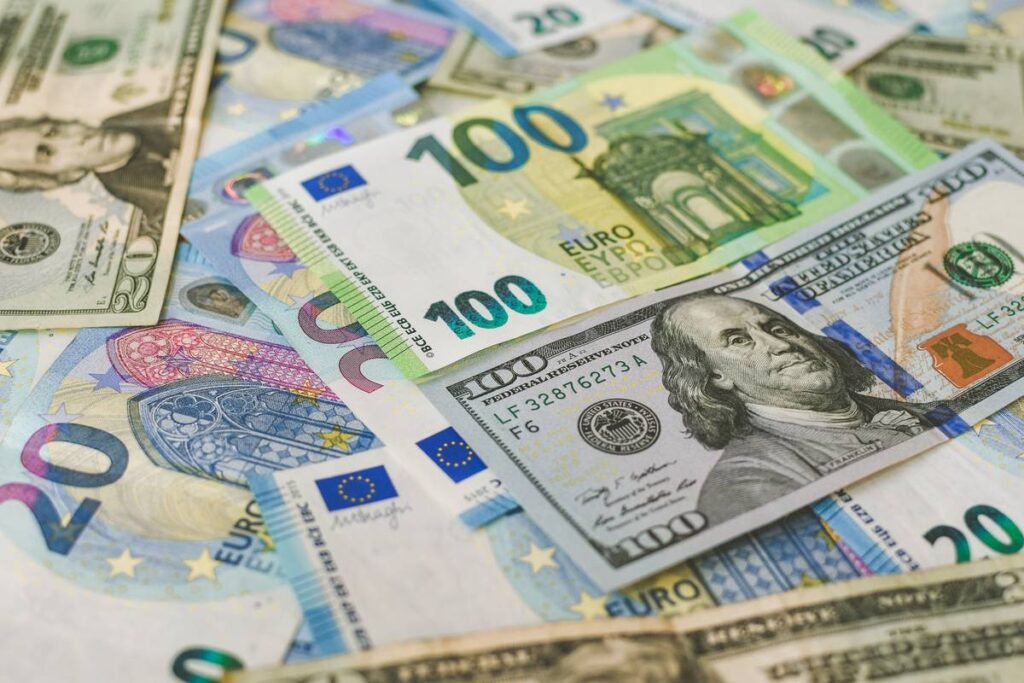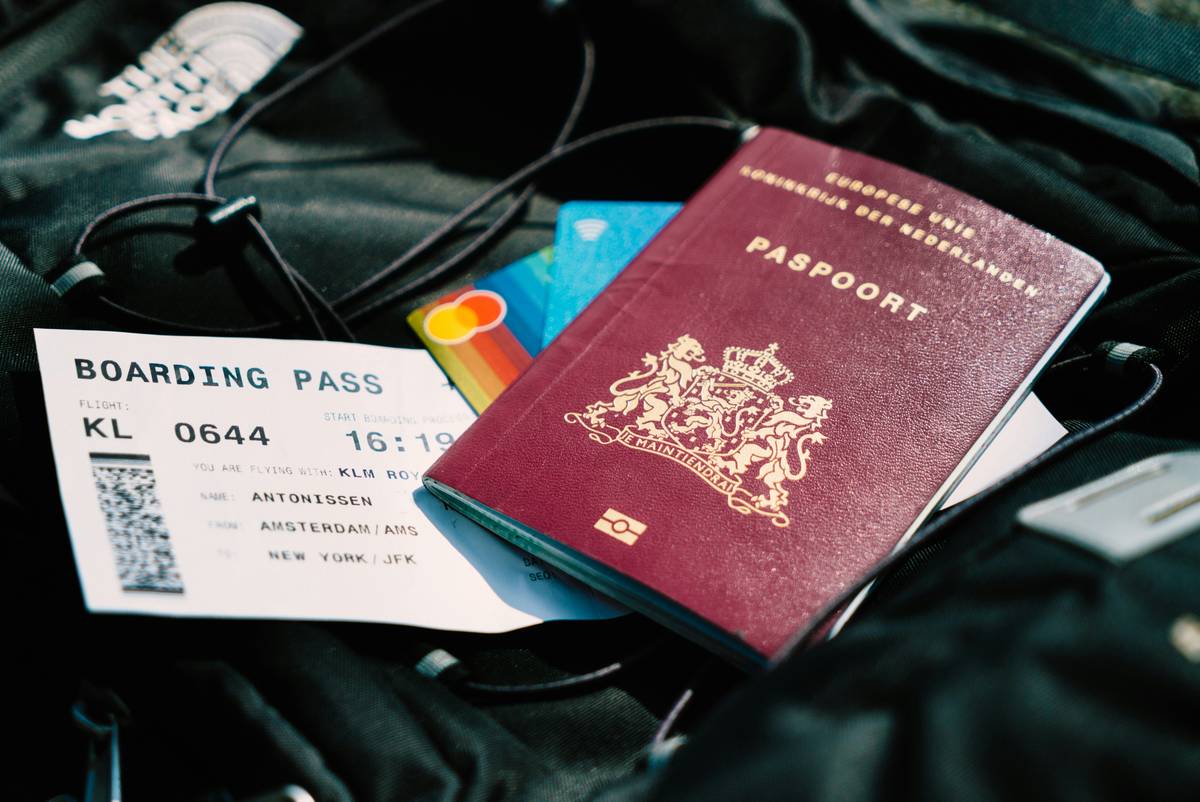
Ever landed in a foreign country only to realize your wallet just lost 20% of its value overnight? You’re not alone. With fluctuating currencies and hidden fees, protecting my money exchange rate while traveling isn’t just smart—it’s essential. In this guide, we’ll unpack how currency exchange insurance can shield your budget from brutal market swings, ATM rip-offs, and sneaky conversion traps. Plus, I’ll share the painful lesson I learned when I skipped coverage on a trip to Istanbul—and watched $300 vanish before breakfast.
Table of Contents
- Why Your Money Exchange Rate Matters
- Step-by-Step Guide to Protecting Your Currency
- Best Practices for Smart Exchange Insurance
- Real-World Results: Case Studies
- Frequently Asked Questions
Key Takeaways
- Currency exchange insurance covers losses from sudden drops in my money exchange rate during international trips.
- Always compare dynamic currency conversion (DCC) offers—accepting them often costs 5–8% more than your bank’s rate (Consumer Financial Protection Bureau).
- Prepaid travel cards with locked-in rates offer better predictability than relying solely on credit cards.
- Never assume your standard travel insurance includes currency protection—most don’t.
Why Your Money Exchange Rate Matters
Imagine you budget $1,500 for a two-week European getaway. But between booking flights and touching down in Lisbon, the euro spikes 10%. Suddenly, your carefully planned trip now requires $1,650 just to maintain the same spending power. That gap? It’s rarely covered by traditional travel insurance.
I made this exact mistake last spring. Confident my premium card would handle everything, I declined add-on currency protection for my money exchange rate. By day three, due to an unexpected central bank policy shift, I’d lost nearly $220 in effective buying power. No refunds, no recourse—just me eating instant noodles instead of pastel de nata.
Step-by-Step Guide to Protecting Your Currency
1. Audit Your Existing Coverage
Check your current travel insurance policy wording. Most standard plans cover trip cancellations or medical emergencies—but not currency depreciation. Look for terms like “monetary loss due to exchange fluctuation” or “foreign transaction protection.” If absent, you need supplemental coverage.
2. Choose the Right Insurance Add-On
Specialized products like those under our Travel Money Guard category lock in your baseline rate at purchase. Some even reimburse you if the local currency weakens by more than 5% during your stay.
3. Use Insured Payment Methods
Opt for prepaid multi-currency cards that integrate directly with your insurance. These let you load funds at today’s rate and spend abroad without surprise conversions. Always decline DCC prompts at ATMs—they override your insured rate.
Best Practices for Smart Exchange Insurance
- Book early: Locking your rate 60+ days pre-trip often yields better terms.
- Avoid this terrible tip: “Just use your credit card everywhere.” Many cards charge 3% foreign transaction fees on top of poor exchange rates—insurance won’t cover those self-inflicted wounds.
- Track real-time data: Use apps like XE or OANDA, but remember—your insured rate is what counts, not the live market.
- Read the fine print: Some policies exclude countries with volatile currencies (e.g., Argentina, Turkey). Know your destination’s risk tier.
Real-World Results: Case Studies
In 2023, UK traveler Sarah M. bought currency exchange insurance for her Japan trip after the yen dropped 15% post-booking. When she arrived, her policy reimbursed £189—the exact difference between her locked rate and Tokyo’s street rate. Without it, her sushi budget would’ve collapsed (Wikipedia: Foreign Exchange Market).
Conversely, a 2022 U.S. State Department report noted that 41% of travelers who didn’t secure rate protection overspent their budgets by 12% or more due to unanticipated currency shifts. That’s not bad luck—that’s preventable loss.
Frequently Asked Questions
Does standard travel insurance cover my money exchange rate losses?
No. Traditional policies focus on cancellations, delays, or medical issues—not currency depreciation. You need a specialized add-on like those in our Travel Money Guard suite.
Can I get reimbursed if the dollar strengthens after I buy insurance?
Typically, no. These policies protect against weakening of your home currency relative to your destination’s. If the dollar surges, you simply benefit from better purchasing power—no claim needed.
How soon before travel should I purchase currency insurance?
Most providers require purchase within 14 days of your initial trip deposit. For best rates, buy as early as possible—ideally when you book flights or hotels.
Are digital wallets like Revolut covered under these policies?
Only if explicitly listed in your policy terms. Always confirm with your insurer whether fintech apps qualify as approved payment methods.
Where can I learn more about your coverage options?
Explore our detailed plans on the About Us page, or reach out directly via our Contact Us form. We’re transparent about limits—see our full Privacy Policy for data handling details.
Bottom line: my money exchange rate volatility isn’t a “maybe”—it’s a certainty in global travel. With the right insurance, you trade anxiety for adventure. Don’t wait for a currency crisis to strike; secure your peace of mind today. Get personalized advice from our team and stop letting forex fluctuations fund someone else’s vacation.
Dreams cost dollars—but they shouldn’t cost extra dimes.