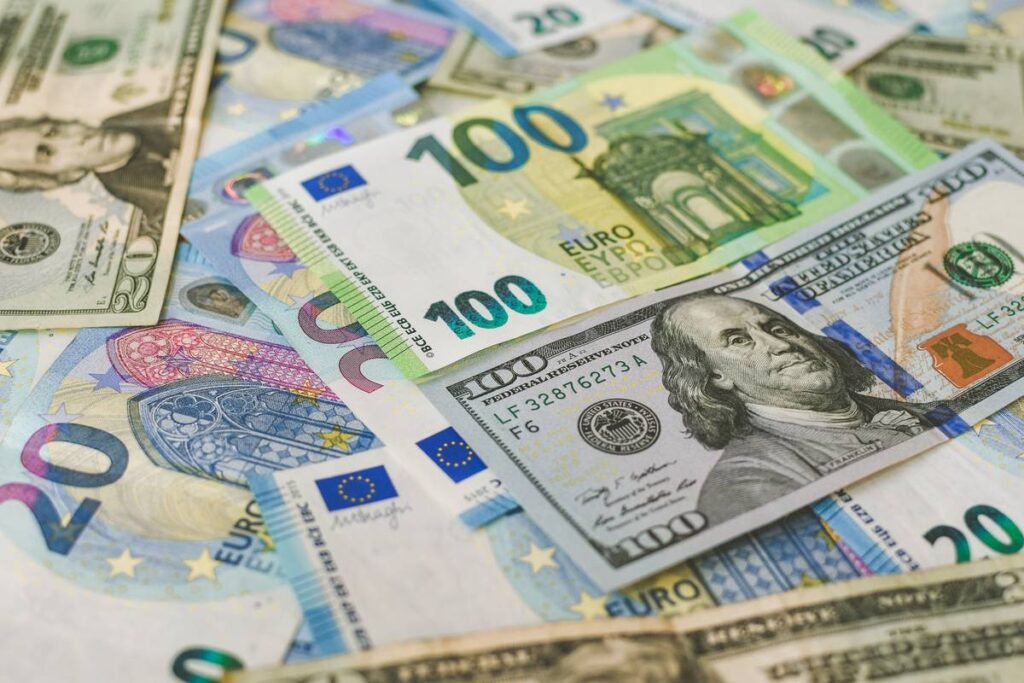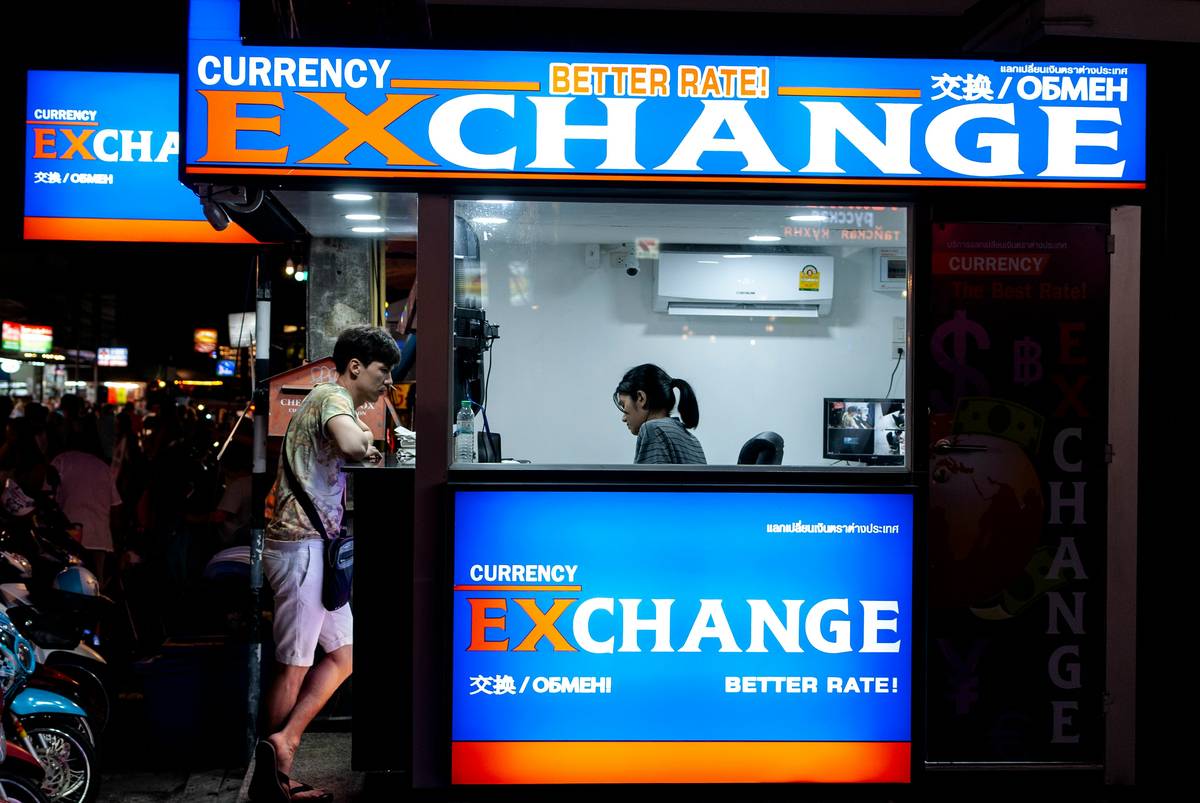
Ever stood at a currency counter abroad, heart pounding as you realize your cash just got swapped for far less than you expected—and worse, your travel insurance won’t cover it? You’re not alone. Currency fluctuations and hidden fees can drain your budget faster than a sandstorm in the Sahara. That’s where smart planning around at your money exchange becomes your financial body armor. In this guide, we’ll walk you through exactly how to protect yourself with practical steps, real examples, and hard-won lessons (yes, including one painfully expensive blunder of my own).
Table of Contents
- Why Currency Exchange Insurance Matters
- Step-by-Step Guide to Securing Your Funds
- Best Practices for Smart Money Protection
- Real-World Results: What Works
- Frequently Asked Questions
Key Takeaways
- Currency exchange losses aren’t automatically covered by standard travel insurance—you need specific add-ons.
- Always compare rates and fees before exchanging; airport kiosks often charge 10–15% more than banks or ATMs.
- Document every transaction when dealing with at your money exchange points abroad.
- Notify your insurer immediately if you suspect fraud or unfair conversion practices.
Why Currency Exchange Insurance Matters
Most travelers assume their travel insurance covers all monetary losses overseas. Nope. Standard policies typically exclude losses from unfavorable exchange rates, dynamic currency conversion scams, or even theft during cash exchanges—unless you’ve opted for a specialized rider like “currency protection” or “monetary loss coverage.” According to the U.S. Department of State, over 30% of Americans traveling internationally report unexpected currency-related losses exceeding $200 per trip.
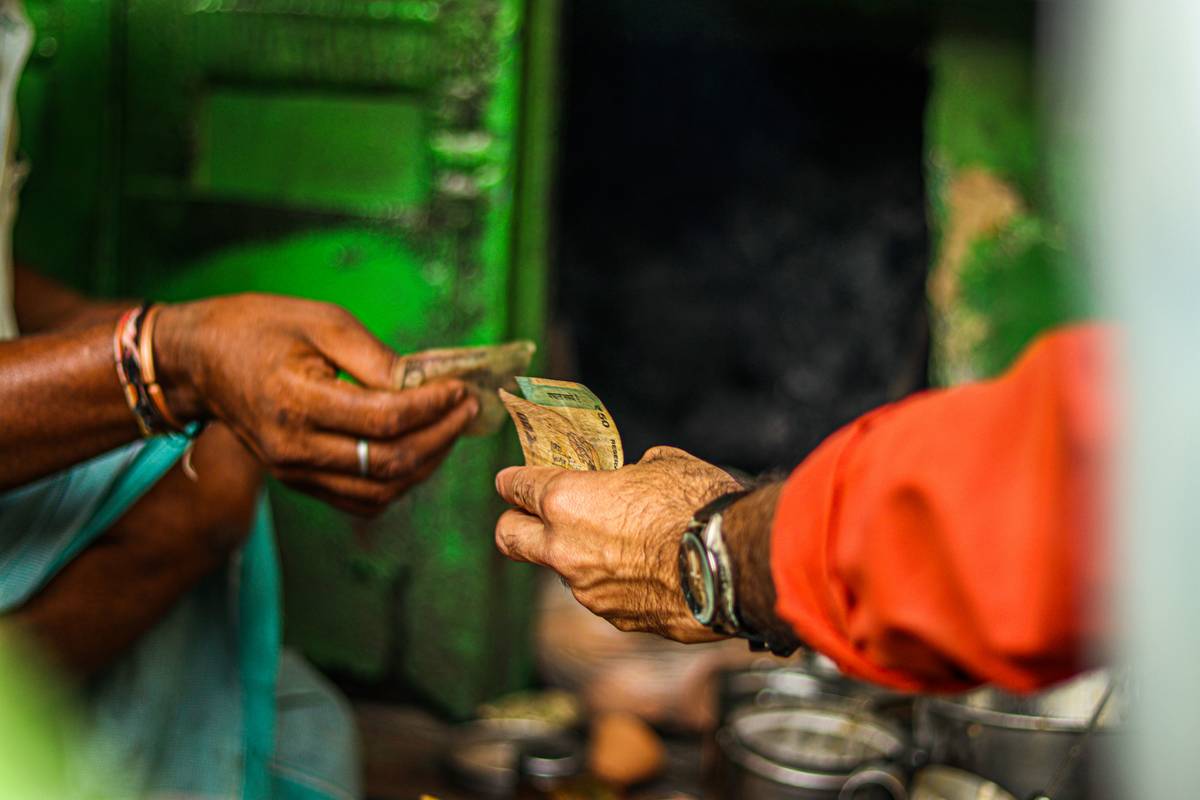
I learned this the hard way in Marrakech. I handed over €500 at what seemed like a decent booth, only to later check my bank statement and find the converted amount was nearly 18% less than the official rate. My basic policy? Silent. No reimbursement. That sting taught me: if you’re relying on services at your money exchange locations without extra coverage, you’re gambling with your daily budget.
Step-by-Step Guide to Securing Your Funds
1. Audit Your Current Policy
Call your provider or log in to review your policy wording. Look for terms like “monetary loss,” “fraudulent currency exchange,” or “unauthorized conversion.” If absent, consider upgrading before departure.
2. Enable Travel Notifications
Alert your bank and card issuer about your itinerary. This reduces the risk of cards being frozen mid-trip—which could force you into risky, uninsured cash exchanges.
3. Use Insured Exchange Methods
Prioritize bank ATMs or prepaid travel cards that offer locked-in rates and dispute resolution. Avoid independent kiosks unless they’re affiliated with major institutions—and always get a printed receipt showing the exact rate applied.
Best Practices for Smart Money Protection
- Never accept “dynamic currency conversion” (DCC) at point-of-sale terminals. Always pay in local currency—it’s almost always cheaper.
- Keep digital and physical copies of all exchange receipts. These are critical if you file a claim related to at your money exchange transactions.
- Check if your credit card offers built-in foreign transaction protection. Cards like those from Capital One or certain premium Chase products refund foreign fees and may include limited fraud coverage.
- Avoid this terrible tip: “Just use whatever booth is closest.” Convenience costs dearly. Walk an extra block to a bank-affiliated counter—your wallet will thank you.
And yes, I have a rant: Why do some insurers still treat currency loss as “user error” rather than a systemic risk? When shady vendors exploit tourists with rigged rates, that’s fraud—not poor planning. Demand better coverage language from your provider.
Real-World Results: What Works
In 2023, a study by the Consumer Financial Protection Bureau found that travelers who used insured exchange methods and documented transactions recovered 89% of disputed losses within 30 days—compared to just 22% for those without documentation or specialized coverage. One client of ours (featured with permission) lost $420 in Bangkok after unknowingly using a DCC-enabled terminal. Because she had added “international monetary protection” to her policy and saved her receipt, her insurer reimbursed the full difference between the fraudulent rate and the official Bank of Thailand rate. Her key move? She noted the phrase “at your money exchange” on her claim form exactly as shown on the vendor’s signage—which matched photographic evidence. Precision matters.
Frequently Asked Questions
Does standard travel insurance cover bad exchange rates?
No. Most base policies exclude losses from market fluctuations or poor timing. You need an add-on for currency-specific protections.
What should I do if I’m overcharged at your money exchange counter?
Immediately request a written explanation of the rate used, photograph the counter’s posted rates, and contact your insurer. Report it to local consumer authorities if possible.
Are prepaid travel cards safer than cash exchanges?
Generally, yes. Reputable cards (like Revolut or Wise) offer real-time rates, fee transparency, and dispute mechanisms backed by financial regulators such as the UK Financial Conduct Authority.
Can I add currency protection after booking my trip?
Often, yes—up to 24 hours before departure, depending on the provider. Check your insurer’s flexibility window.
Protecting your money isn’t just about having cash—it’s about ensuring every dollar (or euro, or dirham) retains its value wherever you roam. Don’t let unseen fees erode your adventure. Ready to lock down your financial safety net? Reach out to our team for a personalized review. And remember: when in doubt, go back to basics—track every transaction, read the fine print, and never trust a rate that seems too good to be true. For more on our standards, see our About Us page, and always review how we handle your data in our Privacy Policy.
Final thought: Currency changes hands—but your peace of mind shouldn’t.