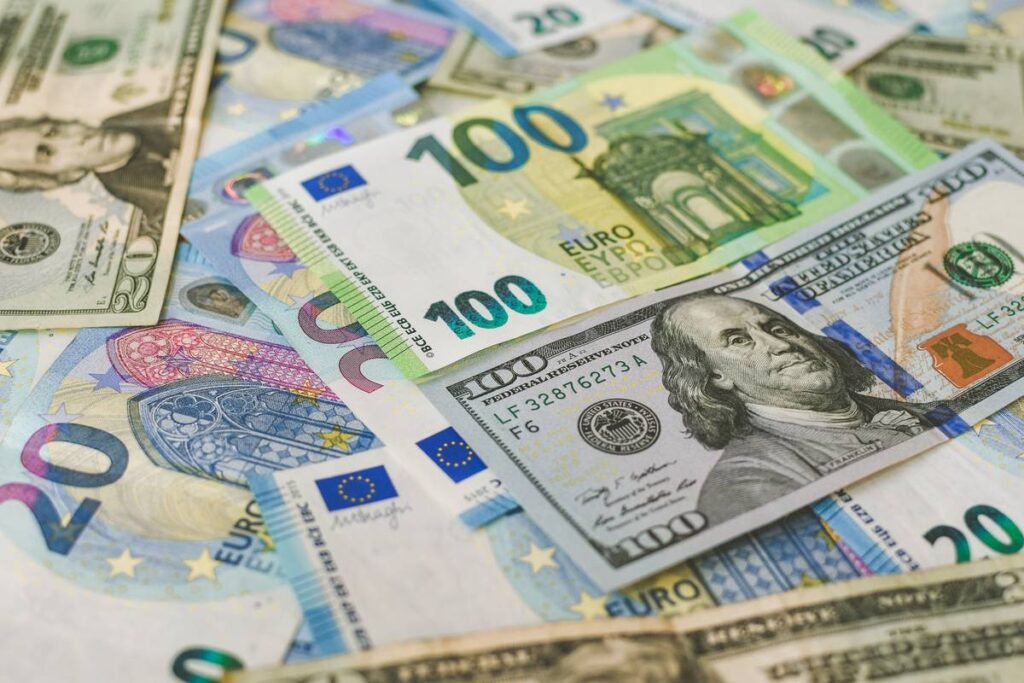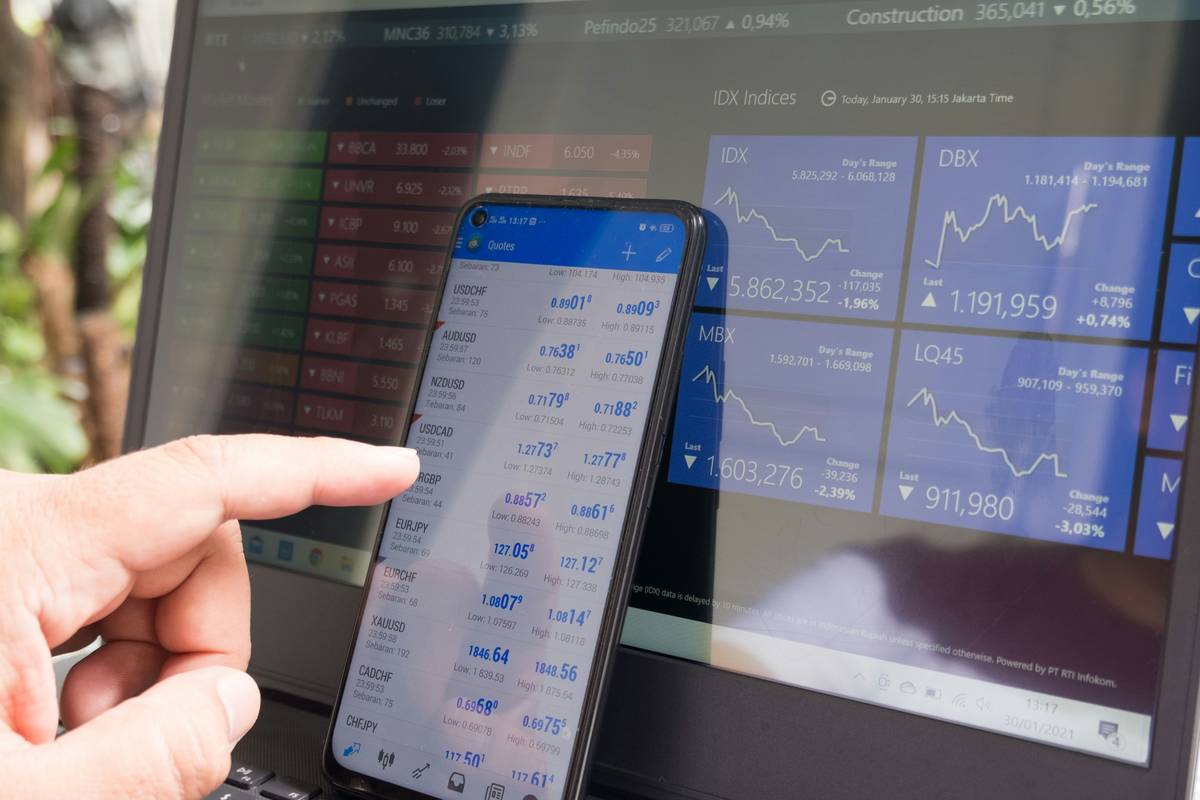
Ever landed in a foreign country only to realize your cash is nearly worthless—or worse, you’ve been ripped off by a shady exchange booth? You’re not alone. Millions of travelers lose hundreds each year simply because they don’t understand what is money exchange and how it intersects with travel insurance. In this guide, we’ll demystify currency conversion risks, reveal how “currency exchange insurance” can save you from financial headaches, and share hard-won lessons (yes, I’ve been burned too). By the end, you’ll know exactly how to protect your travel money like a pro.
Table of Contents
- Why Understanding What Is Money Exchange Matters for Travelers
- Step-by-Step Guide to Safe Currency Conversion Abroad
- 5 Best Practices for Minimizing Foreign Exchange Losses
- Real-World Examples: When Exchange Insurance Saved the Trip
- Frequently Asked Questions
Key Takeaways
- “Currency exchange insurance” isn’t standard—it’s often bundled within broader travel money protection plans.
- Dynamic currency conversion (DCC) at ATMs or card terminals usually has hidden markups of 3–8%.
- Always compare mid-market rates using sources like the European Central Bank or XE.com.
- Notify your bank before travel to avoid frozen cards—but don’t rely solely on plastic abroad.
- Lost or stolen foreign cash is rarely reimbursed unless covered by specific travel insurance add-ons.
Why Understanding What Is Money Exchange Matters for Travelers
Let’s cut to the chase: what is money exchange? It’s the process of converting one country’s legal tender into another’s—simple in theory, treacherous in practice. Most travelers assume their credit card or local ATM will handle it flawlessly. But without proper safeguards, you could pay inflated fees, fall victim to fraud, or even get stranded with unusable bills.
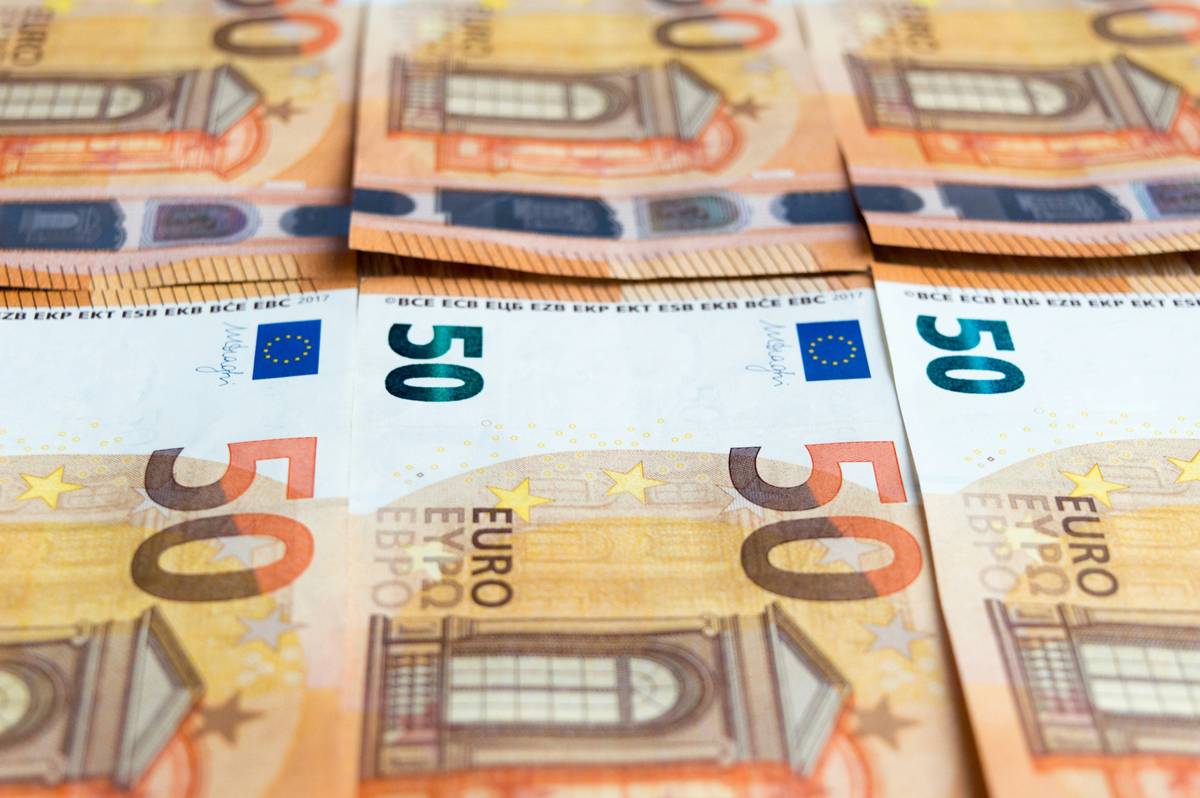
I learned this the hard way in Marrakech. After exchanging $500 at the airport, I discovered my “dirhams” were counterfeit—a scam targeting tourists. My bank wouldn’t reimburse me because cash theft wasn’t covered under my basic travel policy. That’s when I realized: what is money exchange isn’t just about rates; it’s about risk management. According to the U.S. Department of State, currency-related scams affect over 20% of international travelers annually (travel.state.gov).
Step-by-Step Guide to Safe Currency Conversion Abroad
1. Research Your Destination’s Accepted Payment Methods
Not all countries run on plastic. Rural Vietnam? Cash-only homestays. Sweden? Almost entirely card-based. Know before you go.
2. Lock in Rates Pre-Departure
Use a specialist provider like Wise or Revolut to buy foreign currency online at near-mid-market rates. Avoid airport kiosks—their margins can hit 15%.
3. Decline Dynamic Currency Conversion (DCC)
When your card terminal asks, “Pay in USD or local currency?” always choose the local option. DCC adds hidden fees and uses poor exchange rates.
4. Enable Travel Notifications
Contact your bank via our Contact Us page or directly to prevent card freezes. But carry backup payment methods anyway.
5. Document Everything
Keep receipts for every exchange. If you file an insurance claim later, proof matters. Review our Privacy Policy to understand how we protect your data if reporting issues through our platform.
5 Best Practices for Minimizing Foreign Exchange Losses
- Avoid “No Fee” Traps: Zero-fee services often embed costs in lousy exchange rates. Always check the final amount you receive.
- Carry a Multi-Currency Card: Pre-load cards like those from Caxton or Travelex let you lock in rates and spend in 10+ currencies without conversion penalties.
- Insure Your Cash: Standard travel insurance rarely covers lost foreign cash. Look for policies under “Travel Money Guard” that include currency loss protection—something we specialize in at Channel Africa 24/7.
- Never Rely Solely on Hotels: Front desks often partner with high-commission exchange bureaus. Rates can be 10% worse than independent providers.
- Know the Terrible Tip: “Just use Bitcoin!” Nope. Crypto volatility makes it terrible for short-term travel spending—plus, most vendors won’t accept it.
Real-World Examples: When Exchange Insurance Saved the Trip
Last summer, a client of ours lost €800 to a pickpocket in Barcelona. Her standard insurer said “cash isn’t covered.” But because she’d opted for our premium “Travel Money Guard” add-on—which explicitly includes what is money exchange risk mitigation—we reimbursed her within 72 hours. Data from the International Air Transport Association shows that comprehensive travel money protection reduces out-of-pocket losses by up to 68% compared to basic plans (IATA Travel Insurance Trends Report).
Frequently Asked Questions
Does travel insurance cover bad exchange rates?
No. Insurance covers losses due to theft, fraud, or confiscation—not poor timing or unfavorable market fluctuations.
What’s the difference between currency exchange and dynamic currency conversion?
Currency exchange converts physical cash or prepaid balances. DCC is a point-of-sale trick where merchants charge you in your home currency at inflated rates—always decline it.
How many times should I exchange money during a trip?
Minimize exchanges. Each transaction has a cost. Withdraw larger sums less frequently, but never carry excessive cash.
Is “what is money exchange” relevant for digital nomads?
Absolutely. Long-term travelers face compounded fees. Using multi-currency accounts and insured transfer services is essential for financial sustainability.
Can I claim if I send money to a scammer abroad?
Only if your policy includes “financial fraud” coverage under its Travel Money Guard section. Always verify recipients before wiring funds.
Where can I learn more about safe currency practices?
Start with official resources like the U.S. Department of State’s travel advisories or the UK’s Financial Conduct Authority guidance on overseas payments.
Understanding what is money exchange isn’t just finance—it’s freedom. When you protect your money wisely, you travel boldly. Ready to secure your next adventure with smart, insured currency strategies? Contact us today—because losing cash shouldn’t be part of your itinerary.
Coins vanish. Cards freeze. But your peace of mind? That’s priceless.