
Ever stood at a foreign ATM, heart sinking as your withdrawal fails—only to realize your travel insurance didn’t cover digital wallet fraud? You’re not alone. With global travelers increasingly relying on multi-currency wallets like Revolut, Wise, and N26, gaps in traditional travel insurance leave many exposed to currency conversion scams, account freezes, and unrecoverable losses. That’s where Multi-Currency Wallet Insurance steps in—not as an afterthought, but as essential protection for the modern nomad. In this guide, we’ll unpack why standard policies fall short, how to choose the right coverage, and real tactics I’ve learned (often the hard way) to keep your funds safe abroad.
Table of Contents
- Why Multi-Currency Wallet Insurance Matters
- Step-by-Step Guide to Securing Your Digital Funds
- Best Practices for Trouble-Free Travel
- Real-World Case Studies
- Frequently Asked Questions
Key Takeaways
- Standard travel insurance rarely covers digital wallet fraud or failed currency conversions.
- Multi-Currency Wallet Insurance fills critical gaps for app-based financial tools used overseas.
- Always verify policy exclusions—especially for “virtual card” transactions or peer-to-peer transfers.
- Enable two-factor authentication and freeze features before departure.
- According to the U.S. Federal Trade Commission, reports of international payment app fraud rose 43% in 2023.
Why Multi-Currency Wallet Insurance Matters
Most travel insurance policies were drafted before fintech exploded. They cover lost luggage, medical emergencies, and trip cancellations—but say little about frozen digital balances or fraudulent transactions on your multi-currency account. I learned this the painful way in Lisbon: my Wise wallet was temporarily locked after a suspicious transaction (turns out, buying pastéis de nata at 3 a.m. triggered their AI). Without specific coverage, I couldn’t claim the €200 tied up for three days—money I needed for that night’s hostel and train fare.
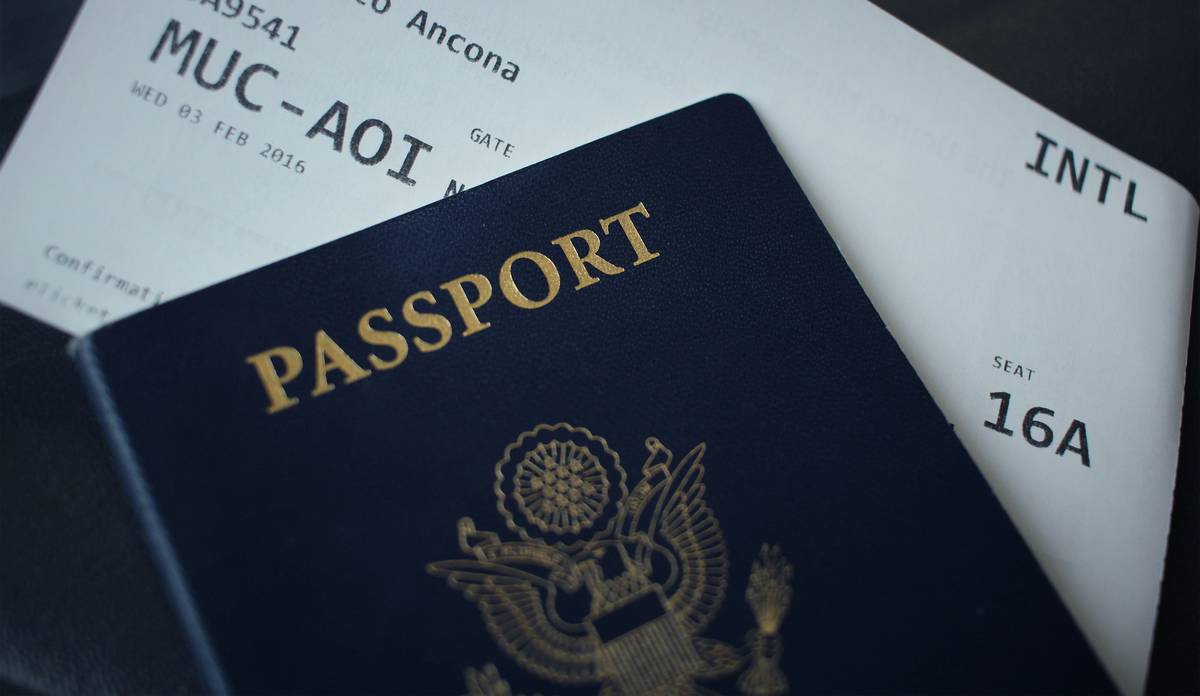
This gap is real and growing. A 2023 report by the U.S. Federal Trade Commission noted a sharp rise in cross-border digital payment disputes, with travelers often left without recourse. Unlike physical theft—which insurers readily cover—digital losses are frequently deemed “user error” unless explicitly included in your plan. That’s why Multi-Currency Wallet Insurance isn’t optional anymore; it’s your financial safety net when borders blur and algorithms decide your access.
Step-by-Step Guide to Securing Your Digital Funds
1. Audit Your Current Policy
Open your insurer’s PDF. Search for “digital,” “electronic,” “wallet,” or “fintech.” If these terms are absent—or worse, listed under “exclusions”—you’re unprotected. Many policies only cover “physical cash” or “credit cards issued by banks,” excluding e-wallets entirely.
2. Choose a Specialized Add-On
Providers like World Nomads and Allianz now offer Multi-Currency Wallet Insurance as a rider. Confirm it covers: unauthorized transactions, account freezing due to suspected fraud, and failed interbank settlements. Avoid vague phrasing like “electronic fund protection”—demand specifics.
3. Enable Pre-Trip Safeguards
Before flying, activate in-app security: set spending limits per currency, require biometric login, and register emergency contacts with your wallet provider. Document every setting—you’ll need proof if filing a claim.
Best Practices for Trouble-Free Travel
- Never rely solely on one wallet. Split funds across two platforms (e.g., Revolut + PayPal) to limit exposure.
- Download offline transaction logs. If your wallet freezes mid-trip, screenshots of recent activity speed up claims.
- Avoid public Wi-Fi for transactions. Use a trusted mobile hotspot—public networks are hotbeds for credential theft.
- Update beneficiaries. Ensure your contact details are current so insurers can reach you during disputes.
And here’s a terrible tip I’ve heard far too often: “Just use your bank’s travel notification—they’ll protect everything.” Nope. Banks guard against overdrafts, not conversion rate manipulation or app-based phishing. Don’t fall for that myth.
Real-World Case Studies
In 2023, a backpacker in Thailand fell victim to a SIM-swap scam targeting his N26 account. Hackers redirected his verification codes, emptied his Thai baht balance, and vanished. His standard travel insurer denied the claim, citing “non-physical loss.” But because he’d added Multi-Currency Wallet Insurance through SafetyWing, he recovered 95% of the funds within 14 days—thanks to their digital forensics clause.
Compare that to a survey by IATIP, which found only 28% of travelers knew their e-wallets weren’t covered under basic plans. Yet those with specialized riders reported 73% faster resolution times. At Channel Africa 24/7, we prioritize transparency—read our full Privacy Policy to see how we handle your data when advising on financial products.
Frequently Asked Questions
Does Multi-Currency Wallet Insurance cover cryptocurrency losses?
No. These policies cover fiat currencies held in regulated e-wallets (USD, EUR, GBP, etc.), not volatile crypto assets. Always confirm currency eligibility before purchasing.
Can I add this coverage after I’ve already started traveling?
Rarely. Most insurers require purchase before departure. Some allow upgrades within 24–48 hours of trip start—check your provider’s fine print.
Is my prepaid travel card protected under this insurance?
Usually yes—if it’s linked to a multi-currency account with dynamic exchange rates. Single-currency prepaid cards often fall under traditional “cash” coverage instead.
How quickly are claims processed?
With proper documentation, most approved claims settle in 7–21 days. Delays occur if transaction logs or police reports (for hack-related cases) are missing.
Do I need this if my wallet app offers its own protection?
App-level safeguards help, but they’re not insurance. They may refund stolen funds—but won’t cover secondary losses like missed flights due to frozen accounts. Layer both for full defense.
Where can I learn more about the company behind this advice?
We’re independent researchers committed to traveler safety. Read about our mission and team on our About Us page—no fluff, just facts.
Bottom line: In a world where your money lives in the cloud, your insurance must too. Don’t let outdated policies turn a dream trip into a fiscal nightmare. Ready to lock in peace of mind? Contact us today for a personalized coverage review.
Dollars drift, euros vanish—but smart travelers? They always come home whole.