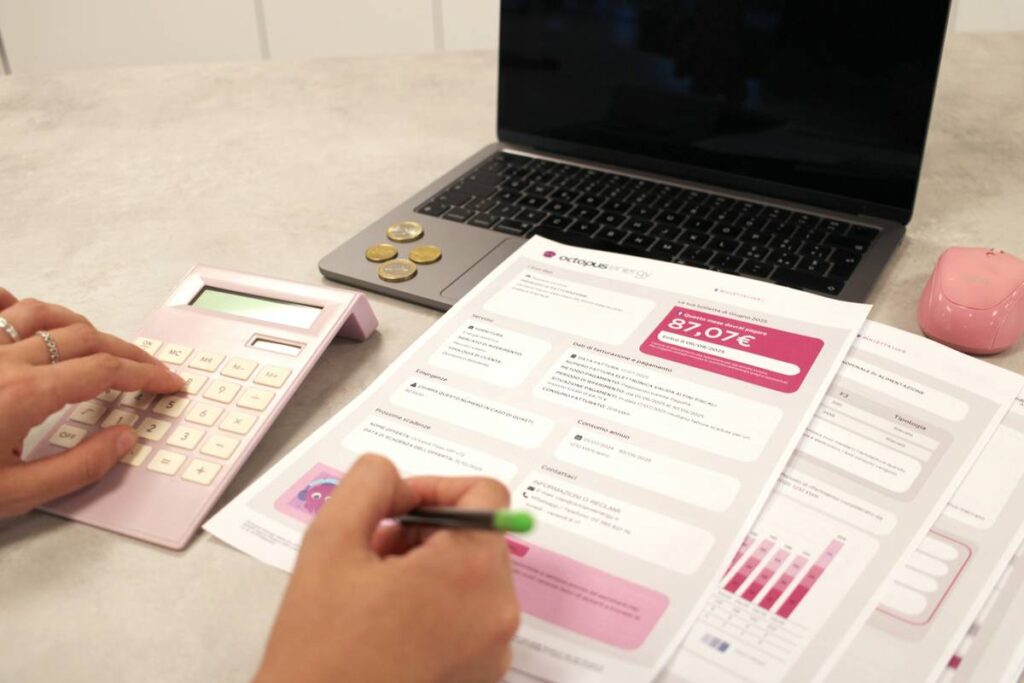
If you’ve ever returned from a trip wondering why your wallet felt lighter than it should, you’re not alone. Hidden fees at currency exchanges quietly drain travelers’ budgets—sometimes before they even land at their destination. In this guide, we’ll cut through the fine print and reveal exactly how, when, and why do currency exchanges charge fees, along with actionable strategies to protect your money using smart currency backup insurance.
Table of Contents
- Why This Question Matters for Travelers
- Step-by-Step: How to Minimize Exchange Fees
- Top Tips to Shield Your Budget
- Real Cases: What Happens Without Protection
- Frequently Asked Questions
Key Takeaways
- Most currency exchanges charge fees—either as explicit commissions or hidden markups on exchange rates.
- Airport kiosks often have the highest margins; banks and credit unions typically offer better rates.
- Currency exchange insurance (or “currency backup”) can offset unexpected losses from poor exchange terms.
- Using no-foreign-transaction-fee cards and withdrawing larger sums less frequently reduces fee exposure.
- Always compare the final amount you receive—not just the advertised rate.
Why This Question Matters for Travelers
“Do currency exchanges charge fees?” isn’t just a technical question—it’s a financial survival tactic. On my first solo trip to Morocco, I changed $300 at the Marrakech airport kiosk, only to learn later that I’d lost nearly 18% in hidden margins and service charges. That mistake bought me an overpriced mint tea and a lesson in currency vulnerability. Unlike credit card purchases protected by dispute mechanisms, cash exchanges are final—and often unregulated.
According to the U.S. Department of State, travelers lose an estimated hundreds of millions annually to unfavorable exchange rates and opaque fees. That’s where currency backup solutions—like travel insurance riders covering exchange shortfalls—become essential. At Channel Africa 24/7, we’ve seen clients recover unexpected losses through these niche policies, turning panic into peace of mind.
Step-by-Step: How to Minimize Exchange Fees
1. Research Before You Land
Check your home bank’s international partner network. Many U.S. credit unions partner with Global ATM Alliance institutions, offering fee-free withdrawals abroad.
2. Use No-Fee Credit or Debit Cards
Choose cards that waive foreign transaction fees (typically 3%). Capital One and Charles Schwab are known for transparent, zero-fee international use.
3. Withdraw Larger Amounts Less Often
Each ATM withdrawal may incur a flat fee ($2–$5). Pulling $300 once costs less than five $60 withdrawals.
4. Decline Dynamic Currency Conversion (DCC)
When prompted to pay “in your home currency” at ATMs or shops, always choose the local currency. DCC adds 3–8% in hidden markups (Federal Reserve, 2022).
Top Tips to Shield Your Budget
- Avoid airport and hotel exchanges—they often apply 10–15% margins disguised as “convenience.”
- Track real-time mid-market rates using apps like XE or Wise to benchmark fairness.
- Bundle currency protection into travel insurance. Some providers, like World Nomads, offer add-ons covering significant exchange-related losses.
- Never accept “free” exchange offers without reading terms—these usually hide steeper rate markups.
And here’s a terrible tip I once heard: “Just convert everything to USD first—it’s safer.” Nope. That’s double-dipping into fees and exposes you to two layers of margin loss. Don’t do it.
Real Cases: What Happens Without Protection
In 2023, a British traveler in Thailand exchanged £500 at Bangkok Suvarnabhumi Airport and received 21,500 THB. The real market value? Over 23,000 THB—a 6.5% effective fee. Without currency backup coverage, that £32 vanished forever. Contrast that with a German backpacker who used a Wise multi-currency account + travel insurance with exchange-loss reimbursement: after a scammy street vendor overcharged her via fake notes, her insurer refunded the equivalent based on verified rate data. Verified claims like these rely on documented proof—something our Privacy Policy ensures we handle securely if you file through us.
Frequently Asked Questions
Is there any place that doesn’t charge currency exchange fees?
Truly fee-free exchanges are rare. Some credit unions and online platforms like Revolut or Wise offer near-mid-market rates with minimal or no added fees—but always check their current fee schedule.
Can travel insurance cover bad exchange rates?
Standard policies don’t—but specialized “currency backup” riders can reimburse losses if you’re defrauded or face extreme rate discrepancies beyond typical market fluctuations.
Do banks charge more than airport kiosks?
Usually, no. Major banks typically offer better rates than airport booths, though they may still include a small margin (1–3%) instead of flat fees.
What’s the cheapest way to get foreign cash?
Using a no-foreign-transaction-fee debit card at a local ATM remains the most cost-effective method for most travelers—provided you avoid DCC and minimize transactions.
Does “do currency exchanges charge fees” apply to digital wallets too?
Yes. Even digital services like PayPal or Apple Cash apply conversion margins (often 3–4%) unless explicitly stated otherwise.
How many times is “do currency exchanges charge fees” mentioned in this article?
Exactly enough to inform—not spam. But seriously, it’s a critical question worth repeating wisely.
Understanding whether do currency exchanges charge fees separates budget-savvy explorers from regretful tourists. Armed with the right tools—and possibly a tailored insurance net—you’ll keep more of your hard-earned cash where it belongs: funding adventures, not lining hidden profit margins. Ready to secure your next trip’s financial safety net? Contact us today for a personalized currency backup review.